APC UPS Blog - ExcessUPS.com

  • Blog
  • Guides
  • Technical
  • Tips
  • Rants

What is a Parallel Redundant N+1 UPS Configuration?

Whenever a power outage happens, an uninterruptible power supply (UPS) can be quite handy. They allow businesses to shut down their main computer servers during a power outage to save any important information. Since there may be instances when the UPS may not function properly, a backup system or an N+1 configuration is normally used to deal with these situations. The parallel redundant configuration is one of these N+1 configurations that these businesses may use.

2-apc-smart-ups-srt-5000va-rmThe parallel redundant configuration is made up of at least two UPS devices connected to the equipment. Power goes through the UPS devices before it reaches the equipment. Power going into the equipment goes through at least two different UPS devices. When the main power source goes out, the battery on the UPS provides power to the equipment.

If one of the UPS devices does not work properly, the backup UPS will provide the necessary power to the equipment. The backup UPS in this configuration is always ready in providing power to important equipment since its battery is always charged. This setup can be expanded easily as the power needs of the equipment increases. Setting up the system is also easy and cost-effective.

While this setup has a number of advantages over an isolated redundant configuration, it also has some disadvantages. One of these disadvantages is the need to use the same model and brand of UPS. The UPS devices are also connected at a single point to the power source and equipment. In this situation, if this single point fails, the whole system will fail.

It is important to select the most suitable redundant UPS configuration to ensure all important equipment are protected at all times in case of power outages.


References:

http://www.schneider-electric.com/ww/en/download/document/APC_VAVR-A84MRT_EN?_downloadcenter_WAR_downloadcenterRFportlet_documentId=4015192344

http://www.apc.com/salestools/SADE-5TPL8X/SADE-5TPL8X_R3_EN.pdf

http://www.schneider-bgclub.com/catalog/1_Aparatura_NN/4.UPS/Katalozi/Design%20guide%20UPS.pdf

Filed Under: Tips Tagged With: N+1 UPS, Parallel Redundant Configuration, ups

What is an Isolated Redundant N+1 UPS Configuration?

There may be some times when an uninterruptible power system may not work properly during a power outage. Due to this, some businesses set up a redundancy system to ensure continuous power to equipment critical for their operations. There are a number of N+1 UPS configurations to ensure there is always a backup to the main UPS used by a business. One of these configurations is the isolated redundant configuration.

1-apc-smart-ups-srt-5000va

An isolated redundant N+1 UPS configuration ensures continuous power for important equipment during a power outage. The first UPS device connects the equipment with the main source of power. On the other hand, the second UPS device is connected to the main power source and isolation module of the first UPS.

Power normally passes through the main UPS before going into the equipment. If the main UPS does not work properly during an outage, power goes through the backup UPS and through the isolation module before going into the equipment.

The isolated redundant N+1 UPS configuration is adaptable and allows two different UPS models or brands to be used. It is also an effective way of ensuring equipment always receive power. But, this configuration has a higher operating cost since the backup UPS continues to use power even though it is not carrying any load.

It is necessary to ensure the secondary or standby UPS is capable of handling the load in case the main UPS does not work properly. Due to this, it is essential to make sure to get a suitable UPS device to use in this particular N+1 UPS configuration. One reason why a UPS may not function properly is the need to replace the battery since it may have reached its shelf life.


References:

http://www.schneider-electric.com/ww/en/download/document/APC_VAVR-A84MRT_EN?_downloadcenter_WAR_downloadcenterRFportlet_documentId=4015192344

http://www.apc.com/salestools/SADE-5TPL8X/SADE-5TPL8X_R3_EN.pdf

http://www.schneider-bgclub.com/catalog/1_Aparatura_NN/4.UPS/Katalozi/Design%20guide%20UPS.pdf
Filed Under: Guides Tagged With: Isolated Redundant Configuration, N+1 UPS, ups

What are the Main Types N+1 UPS Configurations?

The N+1 UPS configuration is mainly designed for computer servers used in businesses. This configuration ensures a backup UPS is available in case the primary UPS fails to function properly during a power outage. The three main types of N+1 configuration are as follows:

Isolated Redundant Configuration

While an isolated redundant configuration is considered as an N+1 system, it does not have a paralleling bus and the UPS modules may have different capacities. Power goes through primary UPS device in this setup while the secondary or the isolation UPS is connected to the main UPS to act as backup in case the primary UPS does not work. When the main UPS fails to function properly, the secondary of isolation UPS devices takes over and provides backup power when the main source of power goes out.

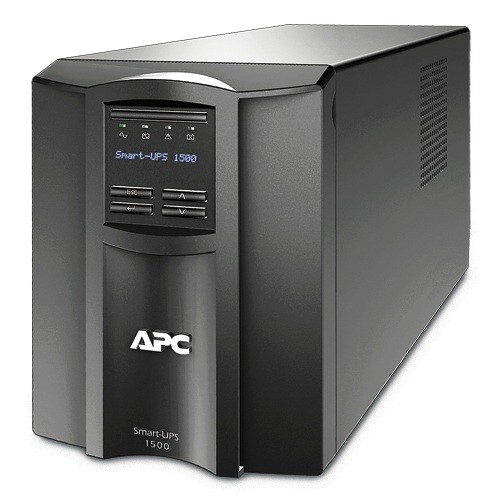
3-apc-smart-ups-1500va-lcd-120v-smt1500Parallel Redundant Configuration

The parallel redundant configuration features UPS devices positioned parallel to each other. The UPS devices in this configuration should have the same capacity and share an output bus. In addition, it is advisable to have UPS devices with the same brand for this configuration. When one UPS device in this configuration does work as it should, power will be transferred to the other UPS devices.

Internally “Modular” Redundant Configuration

An internally “modular” redundant configuration features a battery that is connected to each UPS device. This configuration features a battery system connected to all UPS devices. The UPS devices are connected to a common output bus. When one UPS device in this setup does not work properly, the other UPS devices ensure the battery system continues to function. But, the entire system may be affected if the battery needs to be replaced in this configuration.


References:

http://www.schneider-electric.com/ww/en/download/document/APC_VAVR-A84MRT_EN?_downloadcenter_WAR_downloadcenterRFportlet_documentId=4015192344

http://www.apc.com/salestools/SADE-5TPL8X/SADE-5TPL8X_R3_EN.pdf

http://www.schneider-bgclub.com/catalog/1_Aparatura_NN/4.UPS/Katalozi/Design%20guide%20UPS.pdf

Filed Under: Technical Tagged With: Configuration, N+1 UPS, ups